My wife was watching me process images late at night recently and commented that I should write an article that helps explain the iceberg that is photography. In the classic iceberg analogy, the visible ice mass is but a small percentage of what lies unseen beneath the surface. So, too, is the common perception of what comprises photography. I figured I’d write my first blog post on this topic using one of my recent examples of a highly successful image, having been chosen as the banner image for a Nikon Sports Professionals social media site.
Far from tooting my own horn, I wanted to share from where that final image originated. I’ve been advised against showing raw images straight from the camera, as it supposedly blows up the mystique and perception of photography being all about that *click* - the quality of gear and handling of light sources and the timing and the composition and the talent of the photographer in that moment. And it is…to a degree. To be clear, I was shooting using Nikon’s flagship mirrorless camera and the very best low-light zoom lens for action photography, with the most ideal settings for the moment (for fellow photog nerds, see the addendum below this post for specifics and settings). And given ALL these things, plus an admittedly good eye, good timing, and some luck, this was the shot I got:
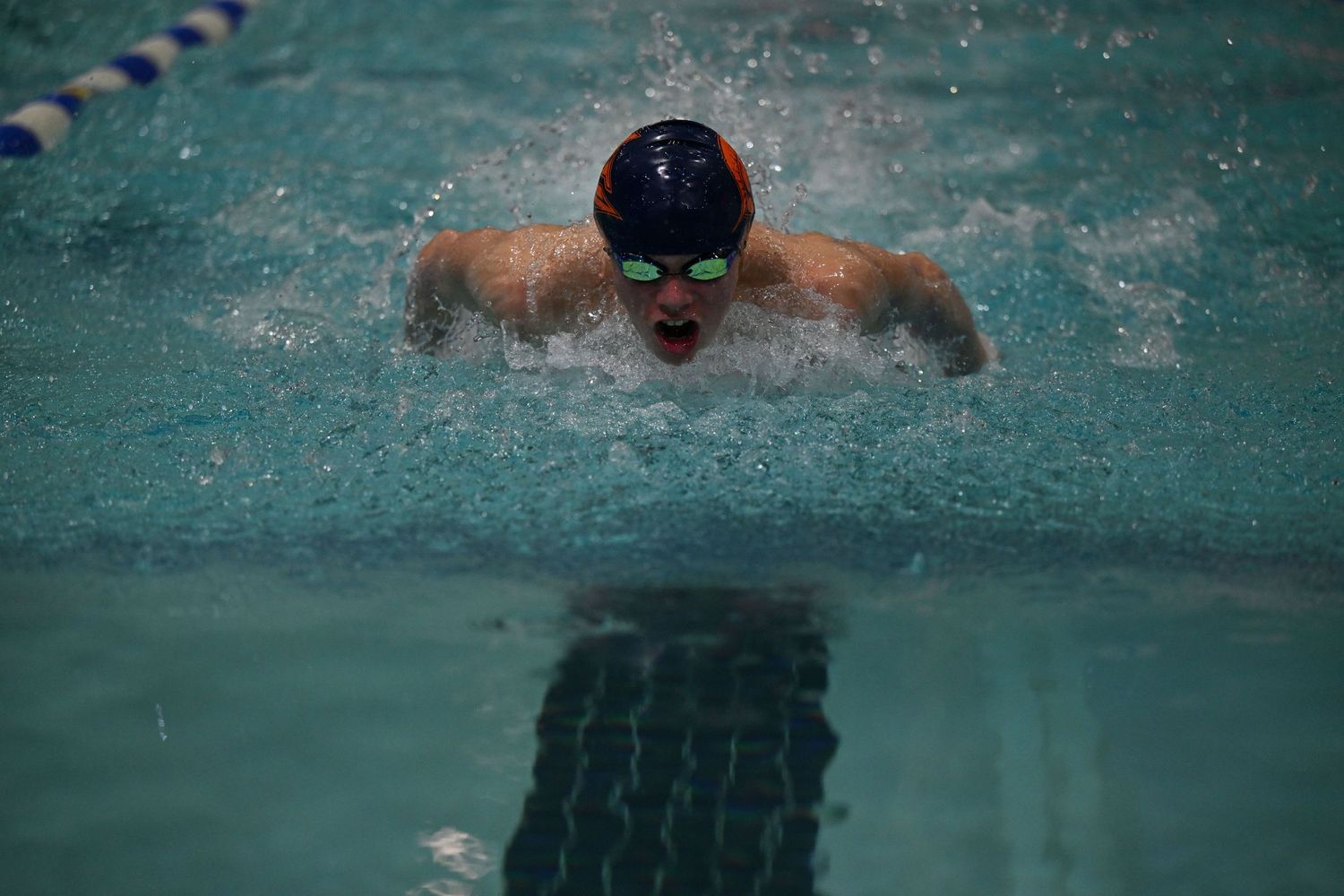
Not great, right? But that’s only the iceberg above the waterline. The reality is more involved, more time consuming, and by extension more expensive. I’m comfortable saying that the image above is probably approaching the best possible shot of that swimmer at that moment and in that setting. The focus is razor sharp on his goggles. The exposure is the best that could have occurred given how poorly lit that particular rec center is. But that’s not where the story ends. Because of the size of the file from that excellent sensor, and because of the tack sharp focus, and because I was shooting in RAW format, I am able to do extensive work in post-processing to be able to output a final image like this:
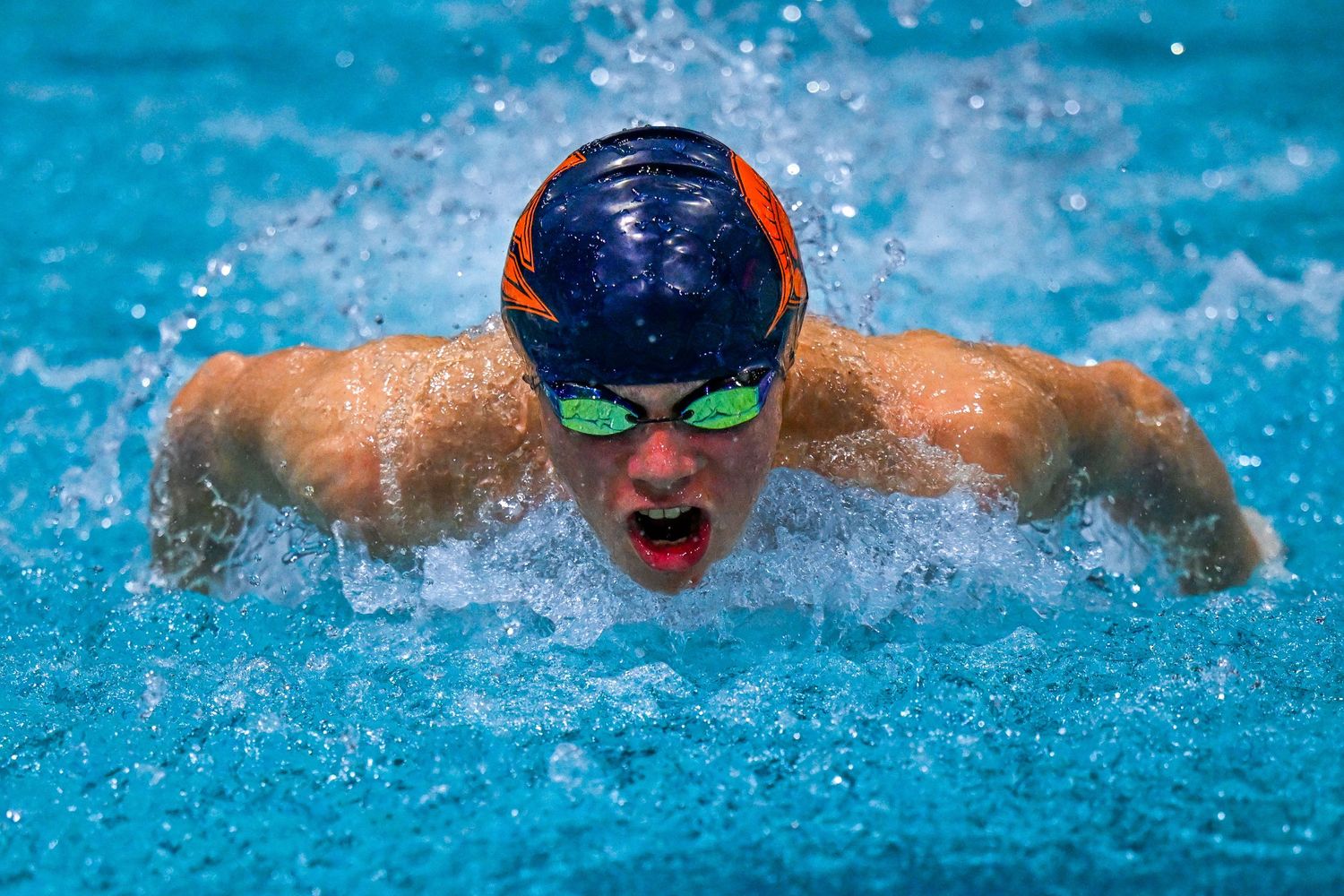
Can you believe this is the same image?! This final version is the result of over 50 steps from white balance to cropping to color toning to shadow raising to sharpening and denoising. And that’s for a single image. At this event, I took slightly less than 4000 frames. I delivered approximately 135 fully edited images - most requiring this level of extensive processing to look their best. Again, with a start-point being images straight out of camera that are already approaching the best possible versions of themselves given all manner of conditions in that moment.
It should be said that editing on its own is no panacea for bad photography, though many try to cover for bad photographic skills with decent Photoshop or Lightroom work. One should always strive to execute the best possible image in camera. But it’s a misconception that we all fall victim to that a photographer’s job is on-site and conducted only with his or her camera. I’d say the cause is twofold. 1) Most photographers wouldn’t be caught dead sharing the raw image I did at the beginning of this post, lest people believe anything but the sexiest final shots come straight from their talented eye and equally talented finger on the shutter button. 2) We all have cameras in our pockets that seem to output great shots in a wide variety of conditions without much work at all. Those cameras, embedded within our smartphones, rely heavily on computational photography - millions of mathematical calculations occurring before, during and after each shot to render very nice images that you barely had to think about taking.
So why am I writing all this? I suppose the answer is twofold as well.
First and foremost, I’m writing for all those photographers and would-be photographers out there who see others’ final images and get daunted by the disparity between that and their own work. Chances are, you’re comparing your above the waterline to their whole iceberg. I know I sure did. Truth be told I still do. But do make sure you devote as much of your craft to learning quality post-processing techniques and efficient workflows to conduct them, as the camera and lens will only take you so far under a variety of circumstances.
And second, for everyone else, I hope this is helpful when considering a photographer for jobs you may have — whether that’s a sporting event, a wedding, a family portrait or a LinkedIn headshot — and more specifically what is being charged. Long before I seriously considered photography as anything other than a hobby, I’d frequently hear people say, “Oh I’m not paying that. That’s way too expensive.” I can't fault the concern, and maybe it was or maybe it wasn’t. But that really isn’t the point. More often than not, the implicit calculus was that the cost was for the hours performed ‘as a photographer’, not unlike the labor rate for a mechanic. If showing my “ugly” starting photo does nothing else, perhaps it’s helpful to appreciate what happens once the event is done. And like an iceberg, this scales astronomically. If one image takes seconds to make and 10 minutes…maybe 20 minutes…maybe for weddings shots much more than that to process…what about 135 shots carefully culled from 4000? And this isn’t me complaining. I freakin love doing this. Rather, my hope is that this post is helpful to understand the breadth of the work involved in great photography. And that the high quality of work I strive to give my clients does come at a cost commensurate with the time, care and skill that goes into my craft. All the hours behind the scenes, to get every single image just right to tell your story the way it deserves to be told. From start to finish.
Addendum - The Settings
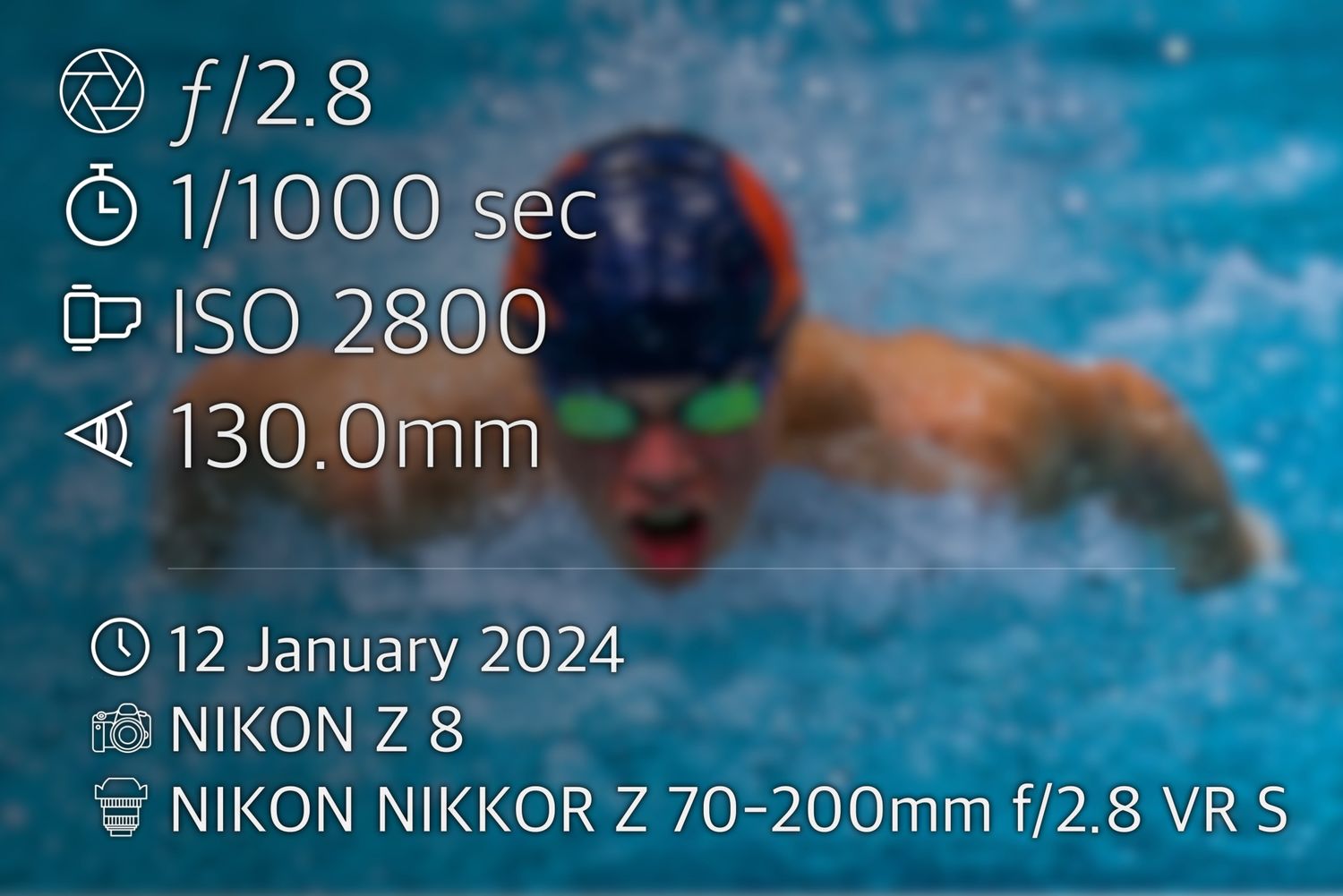
I used the best possible settings given the circumstances. Shutter at 1/1000 to stop action but not so fast as to drive up my ISO and thus create undue noise in the image. Wide open aperture of f/2.8 to both maximize what little light I had indoors and also best isolate my subject. ISOs in the 2500/5000 range which is high but not awful for modern cameras, and a minus 2/3 stops of exposure compensation to keep ISOs down and also slightly underexpose my images. (I choose to underexpose slightly because I’d rather deal with bringing up shadows rather than losing details forever in blown highlights of overexposure.) I often shoot in RAW so I can control all aspects of my image and preserve the maximum amount of detail to work with in post-processing.The Nikon Z8 permits an industry-leading 30 frames a second (120fps in JPEG), which is phenomenal for getting “that shot” in sports. And finally, the Z8 has a 45.7 megapixel sensor, so I have a lot of data in the file especially if I need to deeply crop into the original image, which I needed to do here.